
Four years on: Can planting trees help stop the next big flood?
Share This Story, Choose Your Platform!
Nature-based flood mitigation sounds simple enough.
Plant more trees.
Restore wetlands.
Let rivers reconnect with their floodplains.
The idea is to slow the water down before it surges through towns like Lismore, Coraki and Ballina.
Professor Damien Maher, Professor of Earth Sciences at Southern Cross University, says the science behind it is solid.
“They reduce runoff velocity and increase temporary storage within the landscape,” he said.
In plain terms, trees, wetlands and vegetation help soak up water and slow it down. They make it harder for rainfall to rush straight into creeks and rivers.
Across the world, those kinds of measures have been shown to reduce flood peaks during smaller and moderate events.
But the 2022 flood was not moderate.
“To materially influence a flood the size of 2022, you would need to detain approximately 400 gigalitres of water,” Professor Maher said.
That is an almost unimaginable volume.
One gigalitre equals about 400 Olympic-sized swimming pools.
Four hundred gigalitres equals roughly the volume of Sydney Harbour.
That scale is what defines the debate.
So what actually works?
Flood experts increasingly talk about integration rather than competition.
Instead of asking whether nature-based solutions or engineering is better, the question becomes how they work together.
Modern flood planning usually combines:
- Structural works such as detention basins or levees
• Landscape restoration and wetland repair
• Planning controls to avoid new development in high-risk areas
• Voluntary home buybacks
• Insurance reform and mitigation funding
NSW Disaster Recovery Minister Janelle Saffin has publicly said the evidence shows nature-based solutions work best when paired with engineered systems.
Ballina Mayor Sharon Cadwallader agrees.
“I think nature-based solutions have their place,” she said.
“But it’s not just one thing.”
Ballina’s own experience supports that view.
Homes built on raised pads under council policy largely avoided flooding in 2022, even as nearby properties went under. That shows how planning rules can reduce risk — without eliminating it entirely.

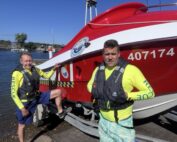
INTERVIEW: Professor Damien Maher (pictured) speaks to Charles Wood on the merits of nature-based flood mitigation solutions and how they could work in tandem with engineered restraints.
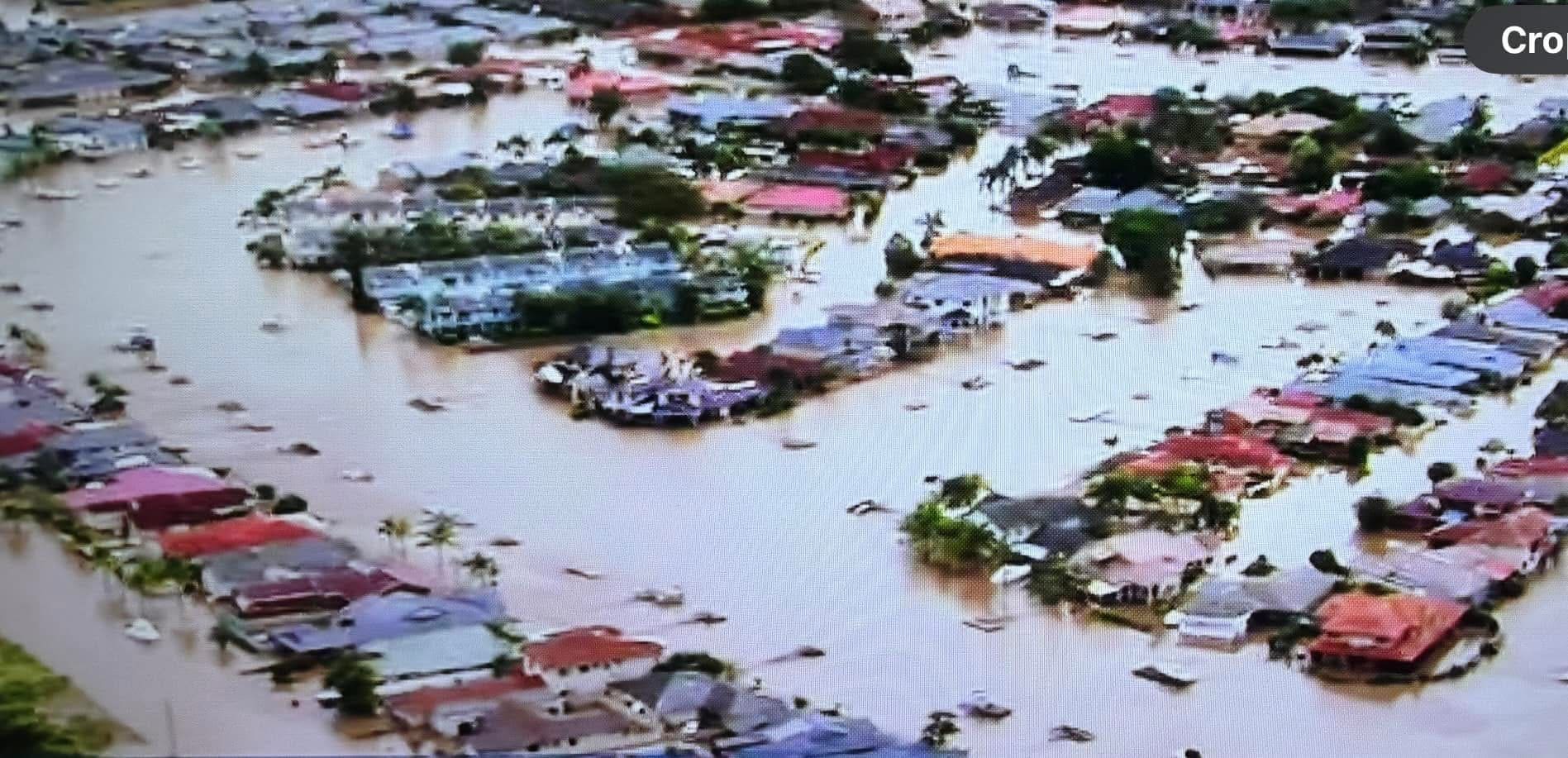
MAIN IMAGE: West Ballina quays underwater on March 3 2022, with many homes having water run through up to a foot above floor height (source:NBN news)
The question, then, is no longer “trees or engineering?”
It is: what mix gives the greatest protection for the whole catchment?
Tomorrow, in the final of this three-part series, we look at the large-scale engineering options on the table — and the political and funding decisions that will determine whether they will ever proceed.
Read Part One: Can the region rise above division to stop the next big flood?