
Regional meth use exposed as communities face the costs
Share This Story, Choose Your Platform!
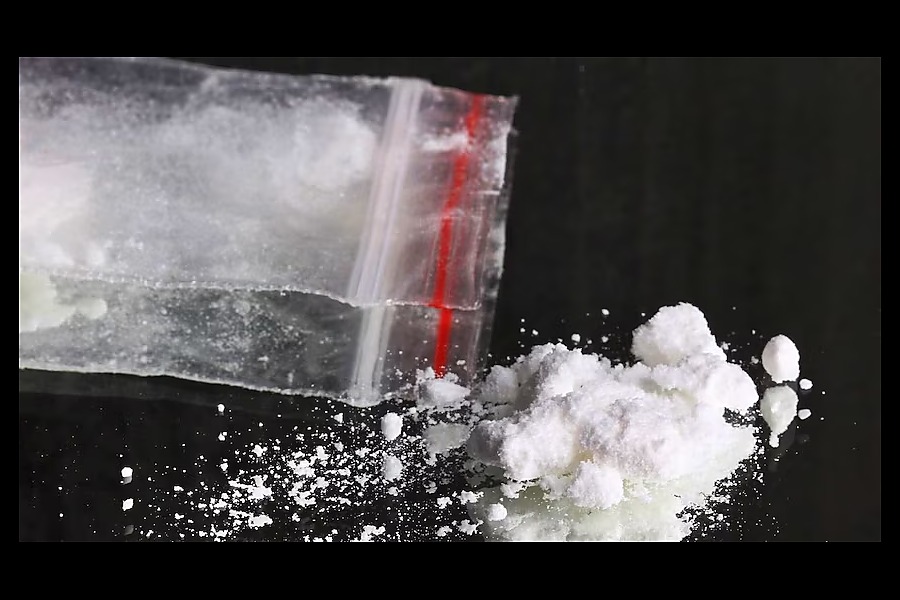
Regional communities are recording higher per-person use of methylamphetamine, cannabis and oxycodone than the capitals, according to new wastewater data released by the Australian Criminal Intelligence Commission.
The latest National Wastewater Drug Monitoring Program report shows methylamphetamine consumption had reached the highest level recorded since the program began in 2016, with both capital cities and regional areas exceeding all previous annual averages.
Australia also ranked second for methylamphetamine consumption in an international wastewater comparison of 34 participating countries.
Regional divide remains clear
The ACIC research released this week shows regional areas continue to record substantially higher per-person consumption of methylamphetamine, cannabis and oxycodone than capital cities.
By contrast, cocaine, heroin and ketamine consumption remained consistently higher in the capitals.
The agency said these capital–regional differences had persisted across multiple reporting periods and jurisdictions.
The report does not provide town-specific consumption figures, with exact sampling locations not publicly released to protect the integrity of the wastewater program. Each participating site is given a unique code to de-identify results.
Why it matters locally
For communities outside the capitals, the data points to pressure that reaches beyond policing.
Higher regional per-person use of methylamphetamine, cannabis and oxycodone can affect emergency services, family support networks, health providers and local safety responses.
The findings also point to the need for early intervention, treatment pathways, harm-reduction services and practical support for families affected by drug-related harm.

ACIC CEO Heather Cook says “High‑risk stimulant use remains a major contributor to national harm”.
Meth use reaches national high
Across the latest reporting period, methylamphetamine consumption reached the highest levels recorded since wastewater monitoring began.
The ACIC snapshot shows estimated national methylamphetamine consumption rose to 15,791 kilograms in the ninth year of the study, up from 12,815 kilograms the previous year.
Cocaine rose to 7,985 kilograms, MDMA to 1,711 kilograms and heroin to 1,397 kilograms.
Between August 2024 and August 2025, total estimated consumption of methylamphetamine, cocaine, MDMA and heroin increased by 4.6 tonnes, or 21 per cent.
The estimated street value of those four drugs reached a record $14.3 billion, up from $11.5 billion the previous year.
A profit-driven market
The ACIC said Australia continued to face a dynamic and profit-driven drug market, fuelled by transnational supply chains, new concealment methods and adaptive criminal syndicates.
ACIC chief executive Heather Cook said wastewater data helped agencies see changes in drug markets, sometimes before they became visible elsewhere.
“These aren’t abstract figures – they represent real harm and real consequences playing out in hospitals, homes and communities across the country,” Ms Cook said.
The ACIC said the program helps agencies identify emerging threats, forecast shifts in drug markets, shape harm-reduction strategies and support evidence-based policy.
Help and reporting options
The ACIC is encouraging people to report suspicious behaviour connected to drugs to Crime Stoppers on 1800 333 000.
People concerned about their own drug use, or someone else’s, can contact a local doctor, Counselling Online, or the National Alcohol and Other Drug Hotline on 1800 250 015.