

Qantas now paying passengers to help beat global fuel crisis
Share This Story, Choose Your Platform!
Qantas is now paying passengers to switch flights in a new tactic by the airline group to beat spiralling jet fuel costs.
In a practice known in the industry as “voluntary re-accommodation”, Ballina travellers are being offered $20 vouchers on selected days as part of a push to fill planes and smooth out demand.
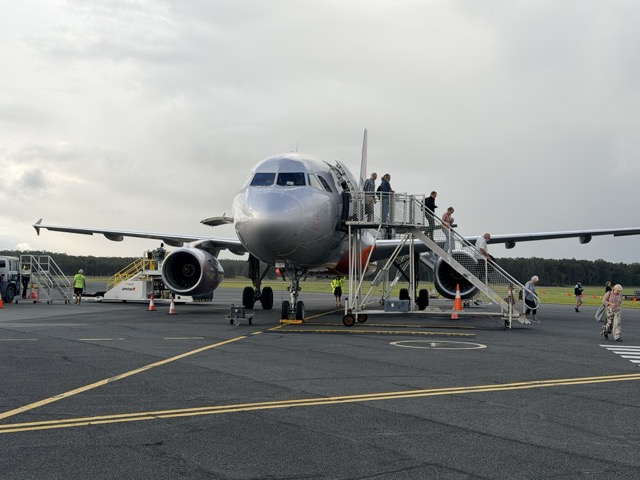
In one case brought to Ballina News Daily, a Jetstar passenger booked on the popular Friday afternoon Sydney-to-Ballina flight was offered $20 to switch to a morning service the same day, or alternative flights the day before or after.
The passenger said the offer came as a surprise.
“Normally if you want to change flights, they want you to pay a penalty for the convenience,” they said.
“Now it seems when it suits them, they’ll pay a price – but not quite as much as what I would have had to pay to change it myself.”
While similar strategies have long been used overseas when flights are overbooked, their use here as a proactive tool on domestic routes is new.
The offer, framed as providing flexibility, shifts passengers off busy flights and onto quieter ones, avoiding the cost of flying with empty seats.
The timing is no coincidence.
As previously reported by Ballina News Daily, the Qantas Group has begun adjusting capacity across its network as fuel costs rise, placing pressure on margins.
While services to some airports, including Coffs Harbour, have been reduced, the group continues to operate four return services a day between Ballina and Sydney — two through QantasLink and two through Jetstar — giving it flexibility to move passengers across its network.
An aviation industry source said the $20 incentive would not sway most passengers on its own.
“But for someone who booked a cheap sale fare months ago and whose plans have changed, it can be enough to tip the decision,” the source said.
“That’s where these offers work — they capture people who are already on the fence.”
Instead of cancelling flights or adding new services, airlines are quietly reshuffling passengers, using small incentives to spread loads more evenly across the day.