
Four years on: the science is nearly done — will politicians act?
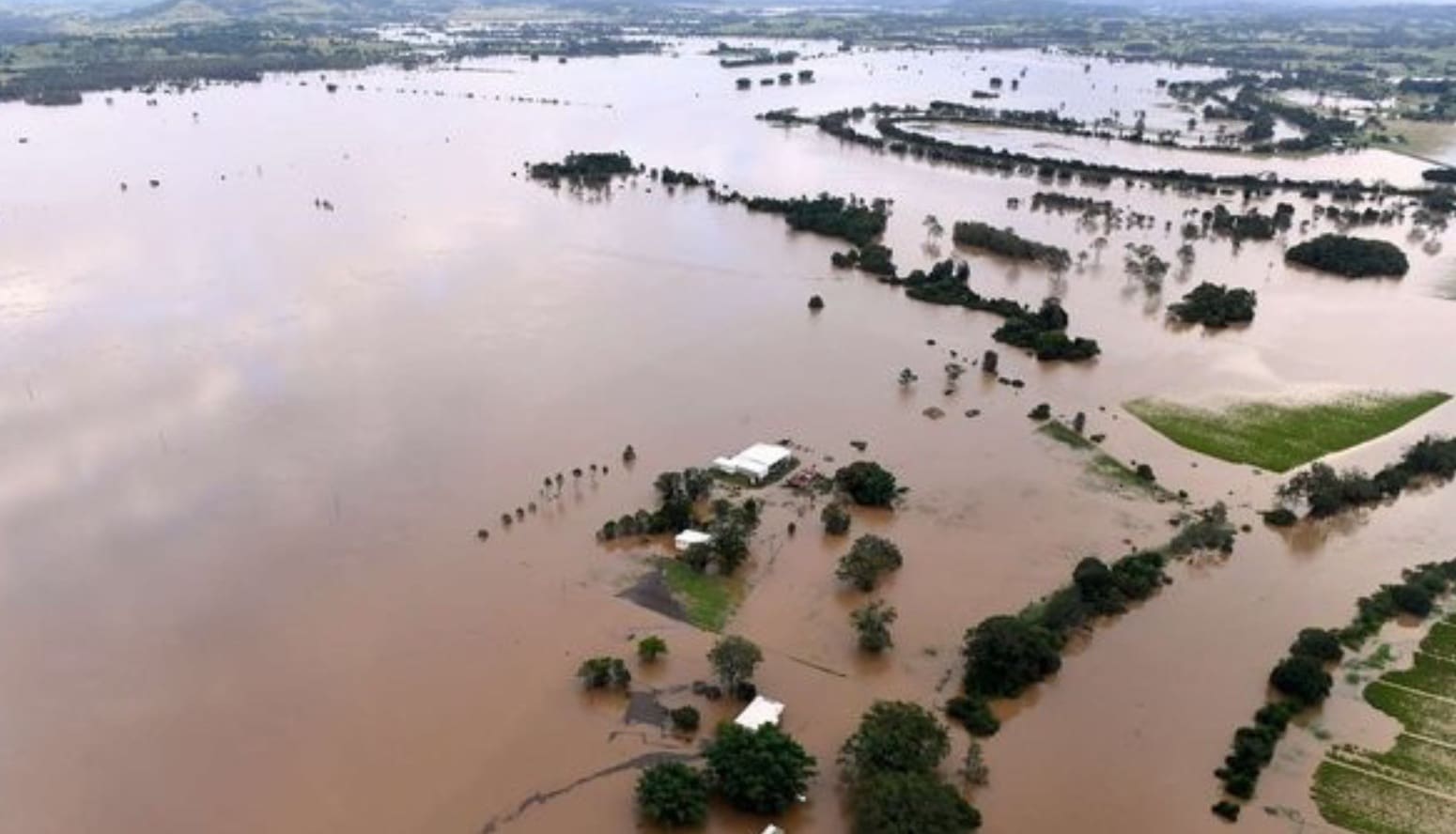
After four years of cleaning up, rebuilding, studies, consultations and modelling, the Northern Rivers is approaching a moment of decision.
The CSIRO’s flood modelling project — the most detailed ever undertaken across the Richmond River catchment — is expected to report back to governments around the middle of this year.
By then, scientists will have tested a series of flood mitigation “bundles” designed to measure what could actually reduce the height of future floods.
For many in the region, the focus is now firmly on the engineered options.
Flood mitigation advocate Graham Askey, who has served on Lismore City Council’s Floodplain Management Committee since 1989, says the scale of the problem demands equally large solutions.
“We are dealing with volumes approaching Sydney Harbour,” he said.
“Without structural detention, you cannot meaningfully reduce those peaks.”
Part three of our special report
This is the final instalment of Ballina News Daily’s three-part series marking four years since the devastating 2022 Northern Rivers floods.
Part one examined the political risks that could derail flood mitigation.
Part two explored the limits of nature-based solutions.
This report looks at the large-scale engineering works now being tested by CSIRO modelling — and the political decisions that will determine whether they ever happen.
The engineering scenarios being tested by the CSIRO include large upstream detention basins designed to temporarily hold back floodwater before it surges downstream toward towns such as Lismore, Coraki and Ballina.
Other measures under consideration include off-stream storage areas, reopening the historic outlet near Boundary Creek and targeted levee improvements.
Together, the aim is simple: slow the water down before it reaches populated areas.
The price tag could be significant.
Early estimates circulating in the flood policy debate suggest a full package of mitigation works could cost in the order of $2 billion, although detailed costings will only emerge once the CSIRO modelling is complete.
Supporters of the projects argue the region has already paid a far higher price.
The 2022 floods caused an estimated $20 billion in damage across the Northern Rivers.
The cost of delay
Economists have long warned that Australia spends far more rebuilding communities than it does protecting them.
The Productivity Commission has repeatedly argued that mitigation investment delivers far greater long-term returns than disaster recovery spending.
Federal Member for Page Kevin Hogan says the region must be prepared for difficult decisions if large-scale mitigation works are to proceed.
“I’d rather see people moved from the front of bulldozers than seeing people on their roofs potentially drowning,” he said.
The comment reflects the reality that some engineering solutions — particularly detention basins — could require the acquisition of land in upper catchment areas.
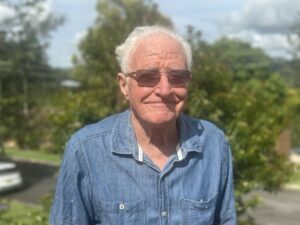
INTERVIEW: Charles Wood speaks to Graham Askey (pictured) on the merits of engineered flood mitigation
For Ballina Mayor Sharon Cadwallader, the stakes are not only about future floods but the region’s economic stability.
Insurance premiums across the Northern Rivers have surged since the disaster, leaving many households struggling to maintain cover.
“Insurance is essential for business and for buying homes,” she said.
“If we can get mitigation measures in place, that’s exactly the sort of thing that can bring those costs down.”
Decision time
For years the Northern Rivers flood debate has been dominated by arguments over what might work.
That phase is now drawing to a close.
When the CSIRO delivers its modelling results later this year, governments will have something the region has rarely had before: detailed scientific evidence showing which combinations of measures could reduce flood risk.
At that point the question will no longer be about science.
It will be about political will.
Will governments commit to major mitigation works?
Will the region accept the difficult trade-offs required to reduce flood risk?
Or will the opportunity slip away as memories of the disaster slowly fade?
Four years after the flood, the science is nearly finished.
What happens next will determine whether the Northern Rivers finally begins building real protection against the next big flood.
Prime 7 local news report on the frustrations of residents of Wardell on March 3 2022, including the late former Deputy Mayor Eoin Johnston