
Rate rise approved as Council secures financial future
Share This Story, Choose Your Platform!
Ballina Council’s controversial five-year rate rise has received the final tick of approval, ending months of uncertainty over the Shire’s financial future.
The approval was widely expected as in recent years the Independent Pricing and Regulatory Tribunal (IPART) has approved substantially larger increases for other NSW councils.
When Ballina councillors voted on the proposal in December, all ten elected members supported the increase despite a Council survey showing 66 per cent of residents opposed the plan.
Mayor Sharon Cadwallader said the approval was a relief for Council, which had already built the additional revenue into future budgets.
“It was an anxious wait to see if it would be approved because we’d worked up all our budgets to include it,” she said.
Had the application failed, Council would have been forced back to the drawing board and potentially scale back planned spending.
“We would have had to go back and take out all those things we made allowances for, like biodiversity, like the healthy water waste program, roads, footpaths, open spaces, stormwater maintenance and upgrades,” Cr Cadwallader said.
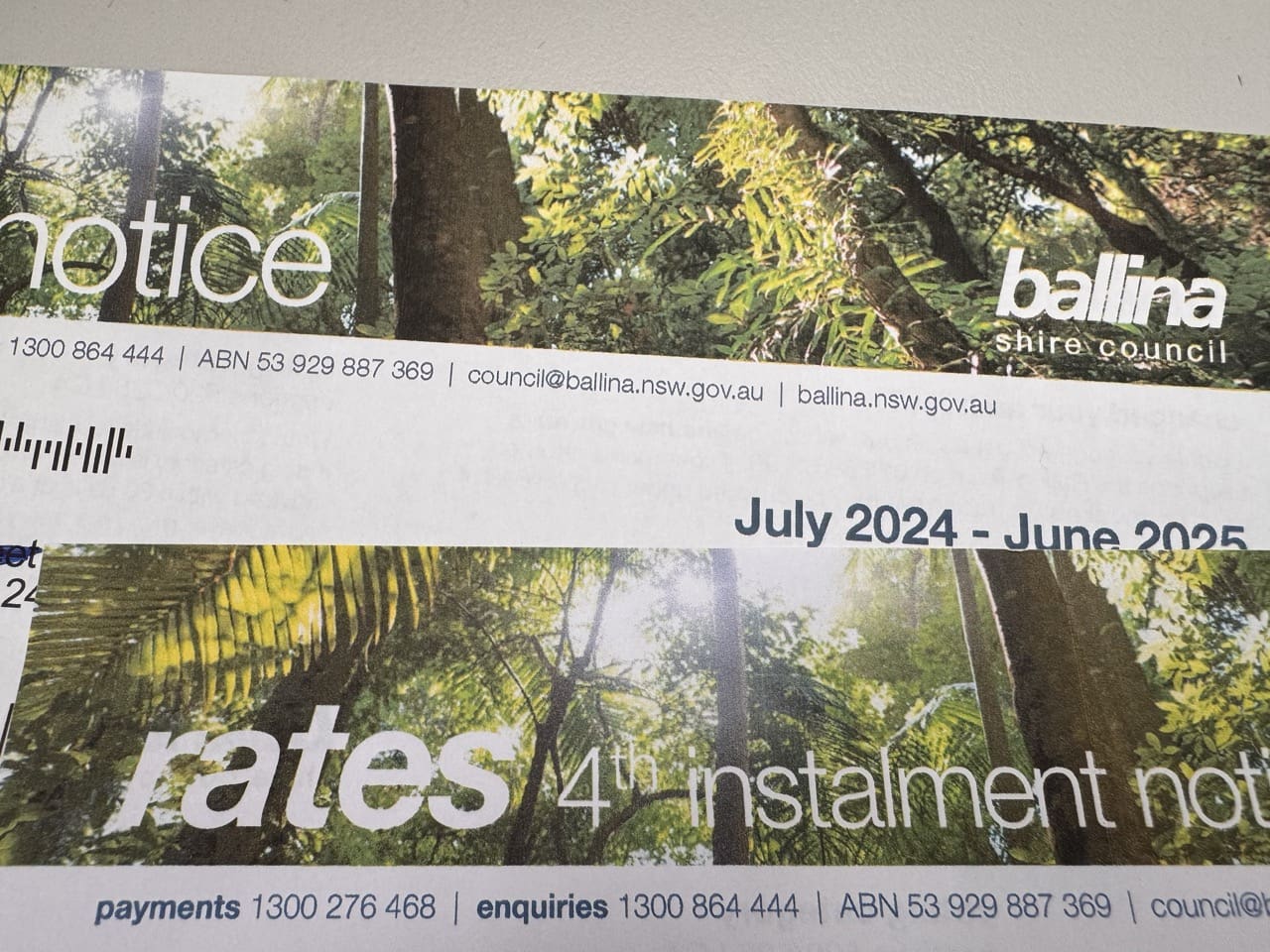
The variation will increase rates by six per cent a year, including the annual rate peg, over four years.
Council estimates the increase will add about $80 to the average residential rate bill in the first year, followed by increases of about $83, $88 and $94 over the following three years.
Cr Cadwallader said the decision was about ensuring Council remained financially sustainable while continuing to maintain infrastructure and community facilities.
“We were breathing down the barrel of consecutive years of deficits, and we know that’s not good,” she said.
“We need to be fiscally sustainable.”
The mayor said the approval comes as Ballina undertakes some of the largest capital works projects in the Shire’s history, including the Alstonville Cultural Centre redevelopment, the new SES headquarters and the Ballina Island Twin Bridges duplication projects.
Council is contributing about $4.5 million towards the SES facility, while the Canal and Fisheries Creek bridge projects have required significant loan borrowings to top up a Federal Government grant that has proved insufficient with rising construction costs.
The Alstonville Cultural Centre redevelopment is expected to cost more than $18 million.
Cr Cadwallader said the Special Rate Variation was originally recommended by Council’s Audit, Risk and Improvement Committee before receiving unanimous support from elected councillors.
“It was a unanimous vote to go for the Special Rate Variation,” she said.
“I’m grateful for the support of my fellow councillors.”
Despite the increase, council says Ballina’s average residential rates remain below several neighbouring Local Government Areas.
Council figures show the average residential rate is currently about $1,311 per year. Even after the increase is fully implemented, Ballina’s average residential rate is projected to remain below the average charged by neighbouring councils including Byron, Lismore, Tweed and Coffs Harbour.
The new rates will be incorporated into Council’s budget and long-term financial plans from the coming financial year.