
Boats as a last resort: Peak body wants inquiry into hidden homelessness
Share This Story, Choose Your Platform!
Australia’s peak homelessness body is calling on governments to investigate the hidden crisis of vulnerable Australians living on boats and in other forms of insecure accommodation.
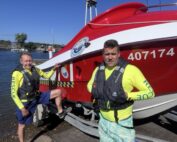
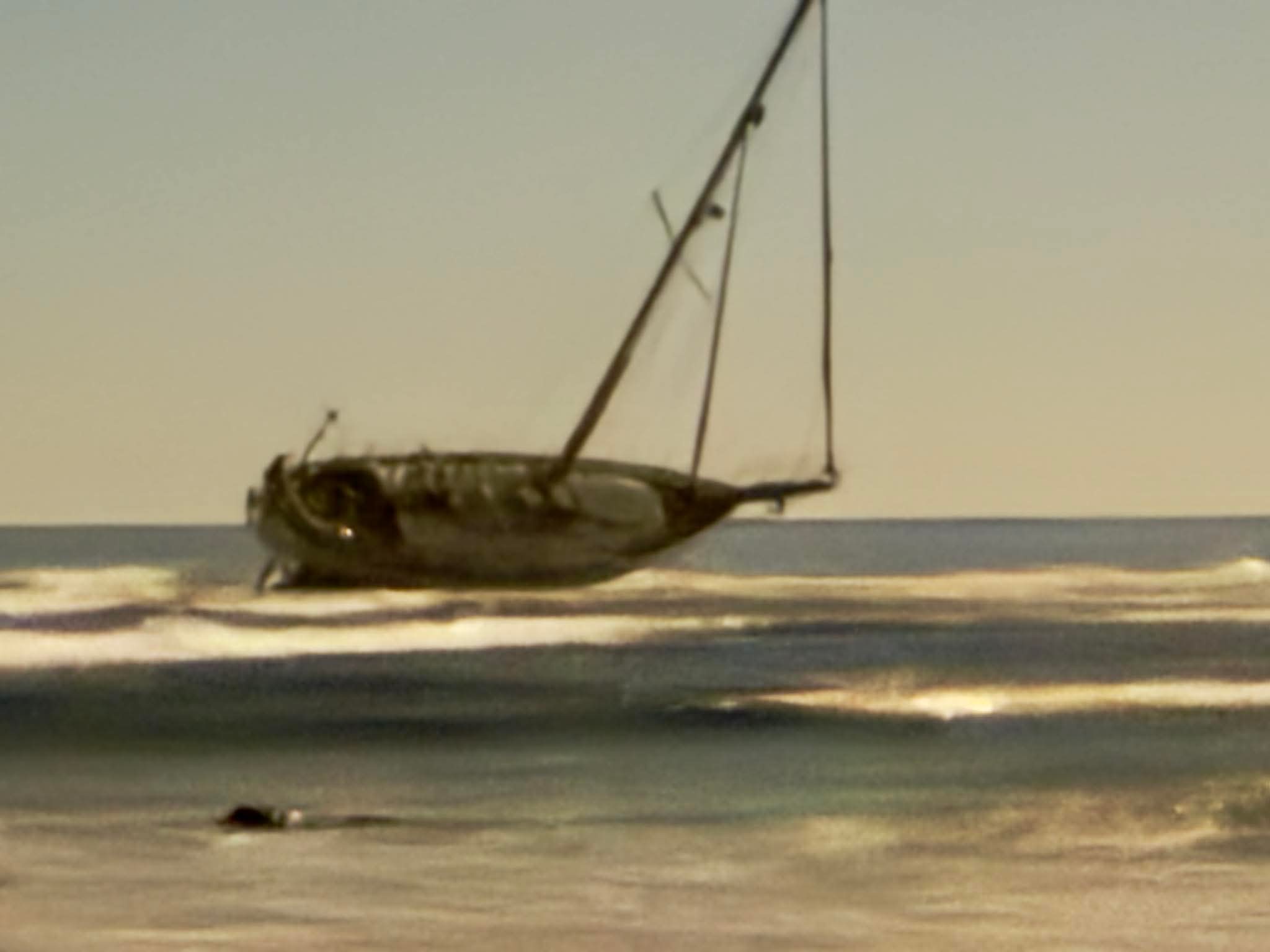
The call follows recent yacht groundings at Belongil and Flat Rock (main image), as well as the May 4 tragedy at the Ballina Bar that claimed the lives of a homeless sailor and two Marine Rescue volunteers.
Maiy Azize is the national spokesperson for Everybody’s Home, a coalition representing more than 500 organisations supporting people facing homelessness.
Ms Azize said her organisation was aware of a growing number of Australians living in inappropriate and unsecure accommodation.
“Boats are one part of this, but what we need to look at is the housing crisis, unaffordable rents and homelessness. People living on boats is a symptom of the problem,” she said.
“We hear about people who spend months living with friends and family or who are in short-term boarding houses, so I would not be surprised if boats are something people are now turning to.”
NSW Maritime sees no evidence of increase
NSW Maritime Director Darren Woods told ABC North Coast on Monday there was no evidence that increasing numbers of homeless people were living on boats, saying the agency had only had to move “a handful of sailors” from vessels into housing.
A Transport for NSW Maritime spokesperson told Ballina News Daily that NSW Maritime monitors vessel movements and mooring compliance across the state, including through regular patrols and a coordinated annual audit program.
“While vessels can move between harbours, Boating Safety Officers record interactions and observations in a centralised database, giving Maritime visibility of a vessel’s history as it moves between waterways and ports. This allows officers to identify patterns consistent with long-term liveaboard use, even where a vessel relocates,” the spokesperson said.
“In a small number of cases, officers do come across people living on vessels who may be vulnerable or experiencing homelessness. This often becomes apparent where a vessel is anchored illegally for an extended period, or is occupying a mooring in breach of its licence conditions.
“Mooring and anchoring in NSW waters is for recreational or commercial use, not long-term accommodation.”
Homelessness is increasing
A recent rough sleeping report by Homelessness NSW found the number of people sleeping rough across the state had increased by 75 per cent between 2020 and 2026.
The Mid North Coast, New England and Northern NSW districts were among the worst affected, recording an increase of 617 people sleeping rough since 2020.
“People do not sleep on boats or in cars, tents, sheds and parks by choice,” Homelessness NSW Director of Policy, Advocacy and Research Vee Blackwood said.
“They do it because the housing system has failed them and because every safer option has been closed off.
“The NSW Government must lift social housing to at least 10 per cent of all housing stock and properly fund frontline homelessness services so people can get help before they are pushed into places no-one should have to call home.”
No statistics on maritime homelessness
Neither Homelessness NSW nor Everybody’s Home knows whether any organisation collects figures on the number of people forced to live on boats, but both say growing numbers of Australians are turning to insecure accommodation.
Ballina News Daily recently profiled a former Alstonville real estate agent who planned to live aboard a yacht that later ran aground at Flat Rock.
Everybody’s Home is calling for further investigation into the number of people living on boats and other forms of inappropriate accommodation, including sheds.
Living on boats restricted
In NSW, people are generally not permitted to live aboard a vessel for more than 90 days because of safety concerns. Unseaworthy vessels may sink, while boats are not permanently connected to reliable water, power or sanitation services.
“We would like governments to investigate this, but not just with regard to boats. They need to look into the sorts of things people are doing to keep a roof over their heads when they can’t find anywhere else to live,” Ms Azize said.
“We hear about people in their seventies living in share houses, we hear about people going into aged care earlier than they should, so boats are just one part of the housing crisis.”
Ms Azize said northern NSW had Australia’s highest rate of homelessness on a per-capita basis.
“It’s a massive problem given the region has some of the highest asking rents in the country, so people simply can’t afford a place to live,” she said.
“It doesn’t help that so many homes were lost in natural disasters and still haven’t been rebuilt, but even before that there was already a significant homelessness problem.”
Ms Azize said the high number of holiday homes and short-term rental properties across the Northern Rivers was also exacerbating the housing crisis.